
-nhoton-
Translation to close the door; to imprison someone Part of speech verb base Semantic category house, daily routine Note See also -nhotonw- "to open the door" Sënhotonh! "Close the door (2SG)!" yänhowa’ "door, entryway" 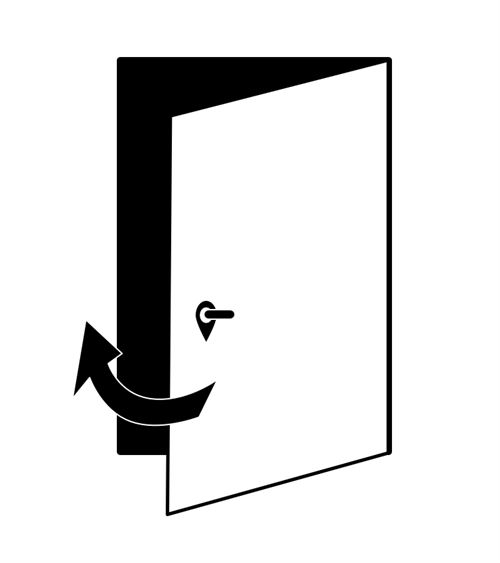 @2014. Crédit image:Louis-Karl Picard-Sioui. Copyright CDFM Huron-Wendat
| Example | Prononciation | Translation | Sound |
|---|---|---|---|
| Sënhotonh! | [sen-HO-tonh] | Close the door (2SG)! | |
| Tsinhotonh! | [tsin-HO-tonh] | Close the door (2PL)! | |
| Tinhotonh! | [tin-HO-tonh] | Let’s close the door, the two of us! |
| Conjugation Class | C-radical |
|---|---|
| Verb Class | actif |
| Morphological Analysis | |
| Morphological Gloss | |
| Grammar Notes | Pour la signification « emprisonner quelqu’un », il faut employer des préfixes pronominaux transitifs. |
| Aspect Mood | Habitual | Stative | Perfective | Impérative | Purposive |
|---|---|---|---|---|---|
| Suffix | -hk | -ʔ | -ʔ | -h | |
| Alternant | -nhoton- | -nhoton- | -nhoton- | -nhoton- | |
| Pronominal Prefixes | agent | patient | agent | agent impératif | |
| Approximate Translation | fermer la porte à un moment précis | donner l’ordre à quelqu’un de fermer la porte |